
Parked Trailers, Bolt Cutters, and a $1.5M Lesson for Every Freight Broker
What Happened
On June 11, 2026, a federal judge in Philadelphia sentenced Salahudin Reddy, 39, to 94 months in prison for his role in an organized cargo theft ring. According to the U.S. Attorney's Office for the Eastern District of Pennsylvania, Reddy pleaded guilty to conspiracy, multiple counts of theft from interstate shipments, theft of government money, possession of stolen government money, and possession of goods taken from interstate shipments.
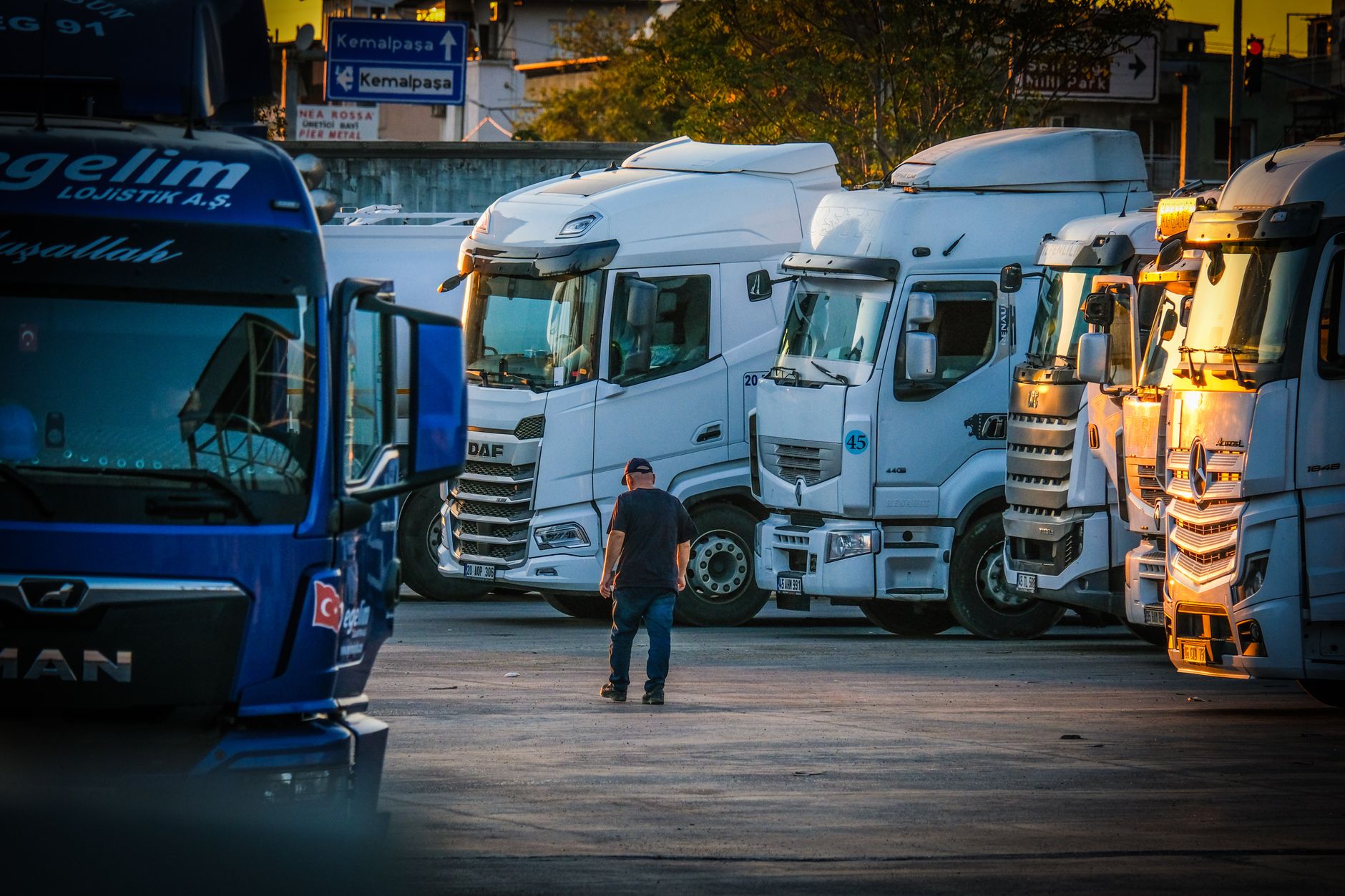
The facts in the court record are specific. Between January and July 2023, Reddy and his co-conspirators targeted tractor-trailers parked in and around Philadelphia. According to court filings, the crew used bolt cutters and other tools to break into unattended trailers — often while drivers were asleep — and removed the freight inside. The stolen cargo was then sold through local contacts around Philadelphia.
The scale was significant. The government estimated the conspiracy stole more than $1.5 million worth of freight from over ten victims. In a span of just a few weeks in April 2023 alone, the crew stole more than $1 million worth of cargo: hundreds of thousands of dollars in frozen snow crab legs, Samsung televisions valued at over $360,000, and more than $230,000 in newly minted U.S. dimes that were due to be transported to Florida. Prosecutors described the crew as committing more than a dozen thefts over several months, repeatedly coordinating teams of vehicles and individuals to unload freight before law enforcement could respond.
The investigation was conducted by the FBI and the Philadelphia Police Department. The case was prosecuted by Assistant U.S. Attorneys Alexander Bowerman and Christopher Diviny. Reddy also received three years of supervised release following his prison term.
The sentencing came roughly two years after New Jersey State Police arrested Reddy and three other Philadelphia men — Shaun Coleman, Hanif Tucker, and Rashan Clark-Reddy — following "Operation Beef Bandit," a cargo theft investigation focused on New Jersey Turnpike service areas.
What This Means for Vetting Carriers
Industry headlines in 2025 and 2026 have been dominated by identity-based fraud: fictitious pickups, carrier impersonation, spoofed emails, and synthetic carrier profiles. That focus is warranted. According to Highway's 2025 Freight Fraud Index, the company blocked nearly 2 million fraudulent email attempts and 8.5 million spoofed phone numbers during 2025 alone. The FBI has warned that organized cargo theft groups are increasingly combining traditional trailer burglaries with fraud schemes involving fictitious pickups and fraudulent carrier identities.
But the Reddy case is a reminder that physical cargo theft — the kind that requires nothing more than bolt cutters and a parking lot — never went away. It runs alongside identity fraud, not instead of it.
For freight brokers and shippers, that dual threat matters in two concrete ways:
1. Where you send freight is a vetting question. The crew in this case did not need a carrier identity or an FMCSA number. They needed a location where freight sat still and unguarded. That means the carrier you vet and the location where that carrier stages, parks, or hands off freight are both risk factors. A carrier with a clean authority and solid insurance can still park a trailer at an exposed, high-theft location overnight.
2. Carrier routing habits are checkable. Where a carrier regularly parks, which corridors they run, and whether they use secured lots or open truck stops are all questions that belong in a vetting conversation — especially for high-value, theft-attractive freight like electronics, seafood, alcohol, or currency.
The FBI's recent cargo theft advisory, which the U.S. Attorney's Office cited directly in this case, confirms the dual-threat reality: organized groups are now active in both physical theft and fraud-based diversion simultaneously.
How to Protect Your Business
The Reddy case exposes a gap that carrier vetting checklists often miss: the physical exposure window that opens the moment a driver parks. Here are concrete, checkable steps to close it.
1. Ask about overnight parking protocols before the load moves.Confirm in writing — via the rate confirmation or a supplemental carrier agreement — that the carrier will use secured, lit, or monitored facilities for any overnight stop. "Secured" means a locked facility with documented access control, not a public truck stop.
2. Identify high-value commodity thresholds and apply stricter controls above them.Electronics, seafood, alcohol, currency, and pharmaceuticals consistently top cargo theft target lists. Build a commodity flag into your load-booking workflow: shipments above a defined value threshold trigger mandatory check-call requirements every two to four hours.
3. Cross-reference freight corridors against known theft hotspots.According to Verisk CargoNet, 1,120 cargo theft incidents were reported during the first five months of 2026, resulting in more than $121 million in estimated losses. California, Texas, and New Jersey accounted for more than half of all cargo theft activity during the first quarter of 2026 — with theft activity concentrated around warehouses, distribution centers, and truck stops. Before tendering a load through any of these corridors, confirm that the carrier has familiarity with secured parking options along the route.
4. Verify authority age and safety history — then go further.Confirm the carrier's FMCSA authority in SAFER, check the authority age, and review the safety rating and inspection history. Then check whether the carrier's listed phone number, email domain, and physical address match what's on file with FMCSA. Identity manipulation often starts with a single mismatched data point.
5. Require GPS tracking with check-call backup.For high-value freight, GPS-based load tracking with a minimum update interval (15 to 30 minutes) is a hard requirement — not a preference. Pair it with a mandatory driver check-call schedule. The Reddy crew targeted trailers where no one noticed the freight was missing until it was already gone.
6. Document your due diligence.Every step above generates a record. That record protects your brokerage if a claim is disputed, a shipper seeks recovery, or regulators ask how you vetted the carrier. The freight industry is moving toward stricter broker liability standards; documented vetting is your first line of legal defense.
Physical cargo theft is not a relic. It is an active threat operating in the same freight corridors your carriers run every day. The difference between a crew that targets your freight and one that doesn't is often nothing more than whether your trailer looked like an easy mark.
Vetting the carrier is step one. Controlling the conditions under which your freight moves — including where it stops — is step two.
Frequently asked questions
What types of cargo are most targeted by organized theft rings?
Electronics, frozen seafood, alcohol, tobacco, and currency shipments are the highest-value targets for organized cargo theft crews. The Reddy ring stole Samsung televisions, frozen snow crab legs, and newly minted U.S. dimes in a single month. High-value, easily resold commodities require stricter parking and handoff controls during transit.
How do I check if a carrier uses secured parking or open truck stops?
Ask directly during vetting: which terminals or secured lots does the carrier use overnight, and on which corridors? Cross-reference their operating authority address against known secured facility locations. For high-value loads, require documented proof of secured drop locations and prohibit unattended parking at open truck stops or service areas in your load tender.
Can a carrier with a clean FMCSA record still be a cargo theft risk?
Yes. A valid MC number and clean authority history do not indicate where a carrier parks, how freight is staged, or whether drivers leave trailers unattended overnight. Vetting must extend beyond FMCSA records to include routing habits, parking practices, and physical security controls — especially for theft-attractive freight categories like electronics or seafood.
What is 'Operation Beef Bandit' and what did it uncover?
Operation Beef Bandit was a New Jersey State Police cargo theft investigation targeting organized theft activity at New Jersey Turnpike service areas. It led to the 2023 arrest of Salahudin Reddy and three co-conspirators. The investigation ultimately connected to a broader Philadelphia-area theft ring responsible for more than $1.5 million in stolen freight across more than ten victims.
What questions should freight brokers ask carriers to reduce physical cargo theft risk?
Ask carriers which secured lots they use for overnight parking, whether drivers are trained to avoid leaving loaded trailers unattended, and which corridors they regularly run. For high-value freight, require geo-tracking, prohibit open truck stop drops, and document all staging locations in the rate confirmation before tendering the load.
Spotted fraud, or vetting a carrier?
Sign up free to report freight fraud — once filed, the whole industry sees it — and to check any carrier's reports, identity, and authority in seconds.
Related posts

$22,000 to Own a Carrier: What the Singh Conviction Reveals About the Carrier-Purchase Exploit
A federal jury convicted two men for using purchased and fraudulently acquired trucking companies to steal more than $2 million in freight across Southern California. The playbook they used — buy a real carrier, win real bids, take the load, vanish — is exactly what standard FMCSA lookups cannot catch on their own.
The Documents Were Real. The Delivery Was a Lie. What the Illinois Glycerin Cloning Case Tells Brokers About Release-Point Risk.
Cook County investigators intercepted a $60,000 glycerin shipment after thieves cloned its shipping documents and redirected 41,000 pounds of product toward a suspected fraudulent cross-docking operation. The driver had no idea. Here is what that means for every broker and shipper still relying on paperwork alone.