
Identity Verification
Confirming who is actually behind a carrier or dispatcher.
The Trucks That Never Hauled a Load: What the AKL Transport Indictment Reveals About Carrier Identity Verification
A federal grand jury indicted Kristopher Lunsford on September 25, 2026, charging him with operating a $105 million Ponzi scheme built on phantom trucking operations. The case exposes a verification blind spot that freight brokers and shippers cannot afford to ignore.

The Pickup Looked Perfect. The Documents Were Fake. What the $680K New Castle Theft Tells Every Shipper About Release-Point Risk.
Two men showed up at a Delaware electronics warehouse with fraudulent CDLs, forged shipping documents, and a false license plate — and drove away with $680,000 in cargo. Here's what the layered document fraud in this case reveals about where your real verification gap lives.
The Fleet Was Fiction: What a $127 Million Trucking Ponzi Tells Brokers About Carrier Financial Fraud
The SEC filed charges on September 24, 2026, accusing a trucking company owner of raising $127 million from hundreds of investors using fabricated claims about fleet size and revenue. The pattern looks different from cargo theft — but the vetting gap that enables it is exactly the same.

The Truck Was Already Sold: What the Wingate Title Fraud Case Reveals About Equipment Verification
A South Carolina man was charged September 14 with selling a commercial truck he didn't own, using a forged bill of sale. Here's what brokers and shippers must check before a single load rolls.
The Tip Line Is Open. The CDL Problem Still Lives in Your Carrier File.
ICE's new CDL fraud hotline is a meaningful enforcement step — but every tip it generates starts as a carrier on a broker's load confirmation. Here's what that means for your vetting stack.
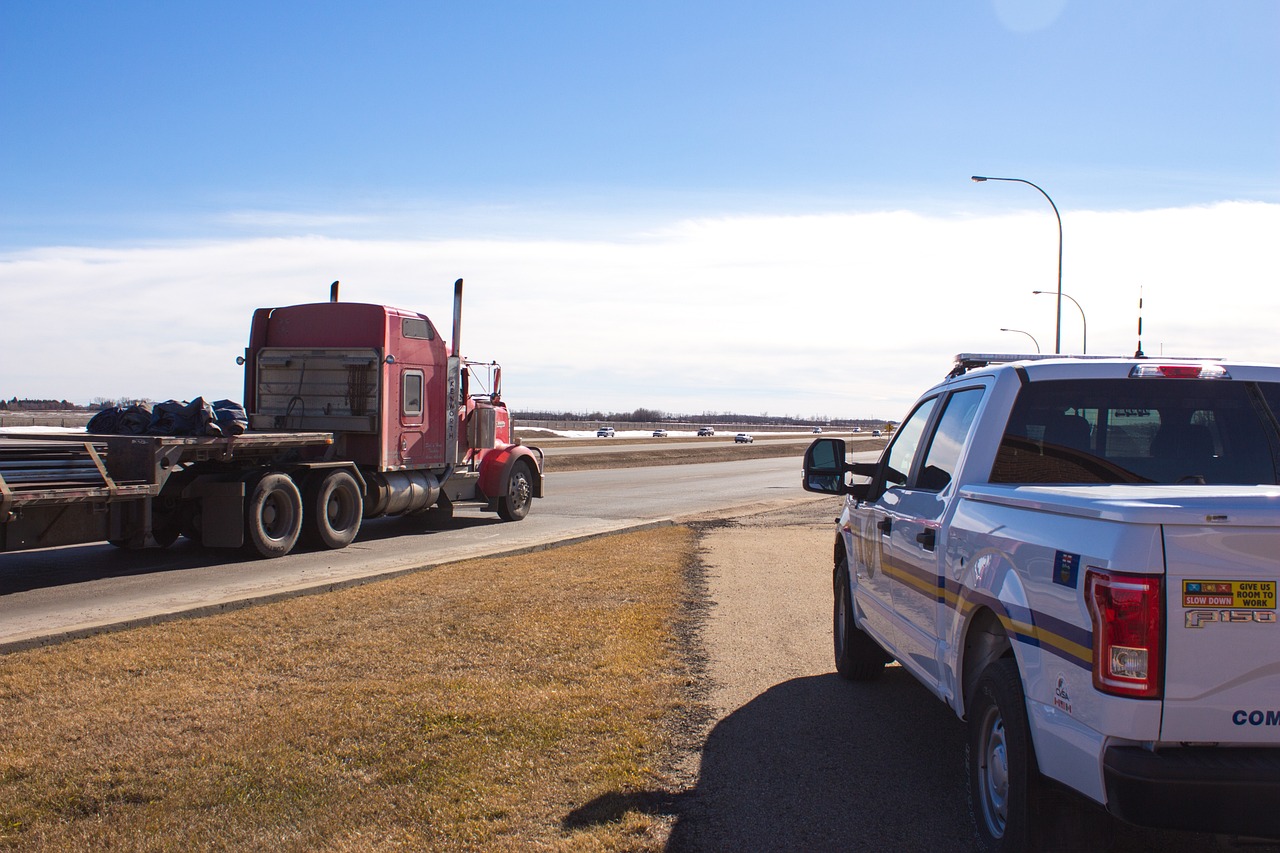
The Breach Was Inside the Account: What the Labor Day $31.8M Theft Pattern Tells Brokers About Identity Risk
Verisk CargoNet's five-year Labor Day analysis doesn't just document 273 cargo thefts — it documents a threat that moved inside the wire. Organized groups are now compromising carrier accounts, phone systems, and compliance-platform credentials to make fraudulent pickups look legitimate.
The Reciprocity Loophole: How a Miami-Dade CDL Scheme Exposes a Vetting Gap Brokers Can't Afford to Ignore
Three Miami-Dade county employees were arrested on felony charges after allegedly processing fraudulent CDL applications as qualifying out-of-state transfers. Here's what the scheme reveals about the carrier identity signals brokers must verify before a truck ever touches their freight.
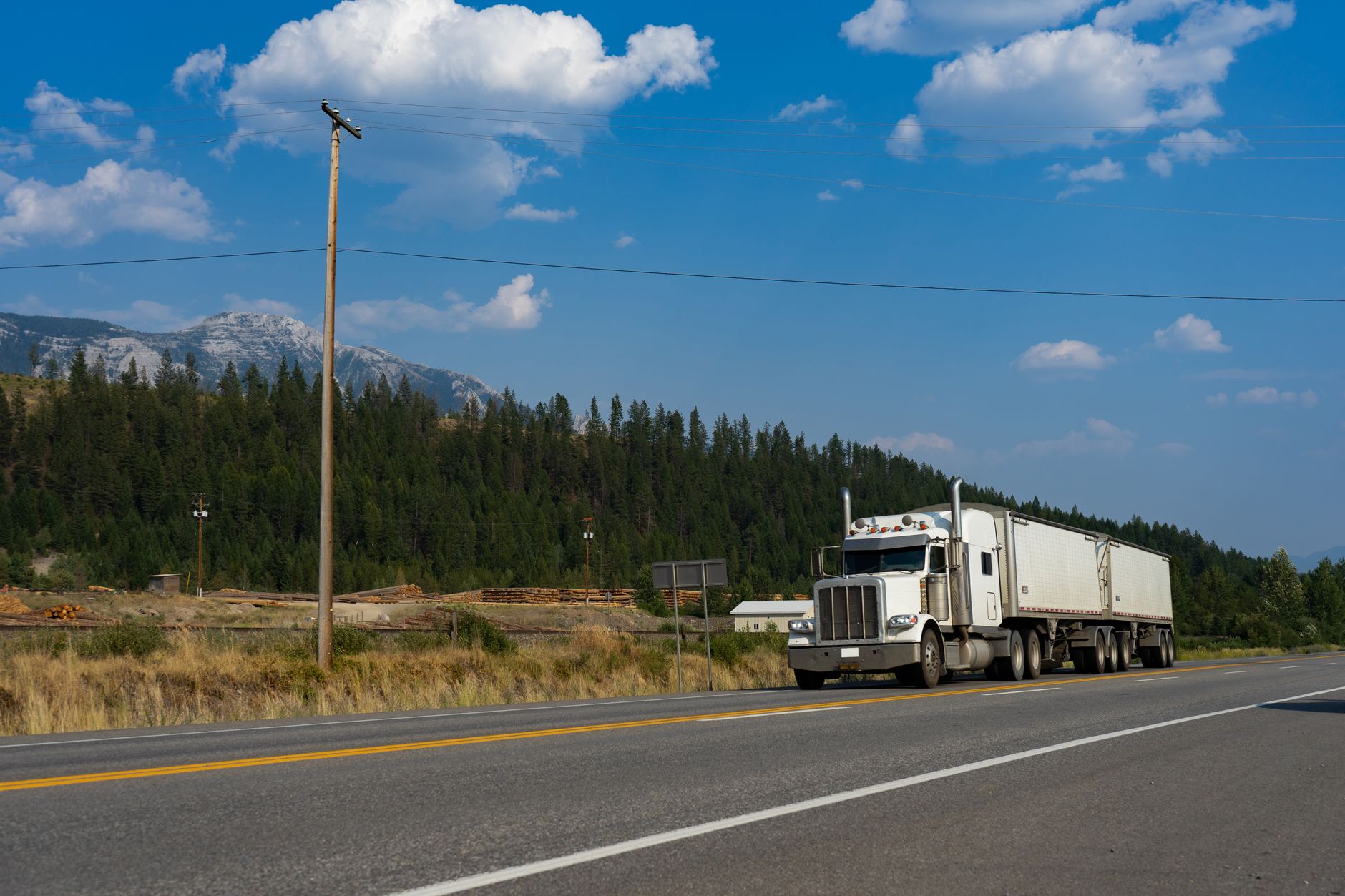
The Carrier With No Name: What the FBI's 'No Name Given Kamal' Case Reveals About Identity Gaps in Your Freight Network
Operation Hard Ball charged 37 defendants tied to India-based transnational crime syndicates — and federal prosecutors say those networks moved narcotics across the US-Canada border using long-haul semi-trucks. Here's what that means for every broker and shipper who thinks a DOT number is enough.

The Offshore Impersonator: What a Yerevan Hotel Room Tells You About Your Carrier Verification Gap
Armenian cybercrime investigators raided a Yerevan hotel in July and found a crew operating as fake U.S. freight carriers — stealing shipments and cashing out in crypto. The operation exposes exactly what identity-only vetting cannot catch.

The Driver Who Never Existed: What Three Federal CDL Fraud Cases Reveal About Carrier Identity Risk
Three federal prosecutions — spanning Kentucky, South Dakota, and Connecticut — show that stolen U.S. identities are being used to obtain commercial driver licenses and operate trucks. Here's what that means for every freight broker who relies on a CDL number to confirm who is behind the wheel.
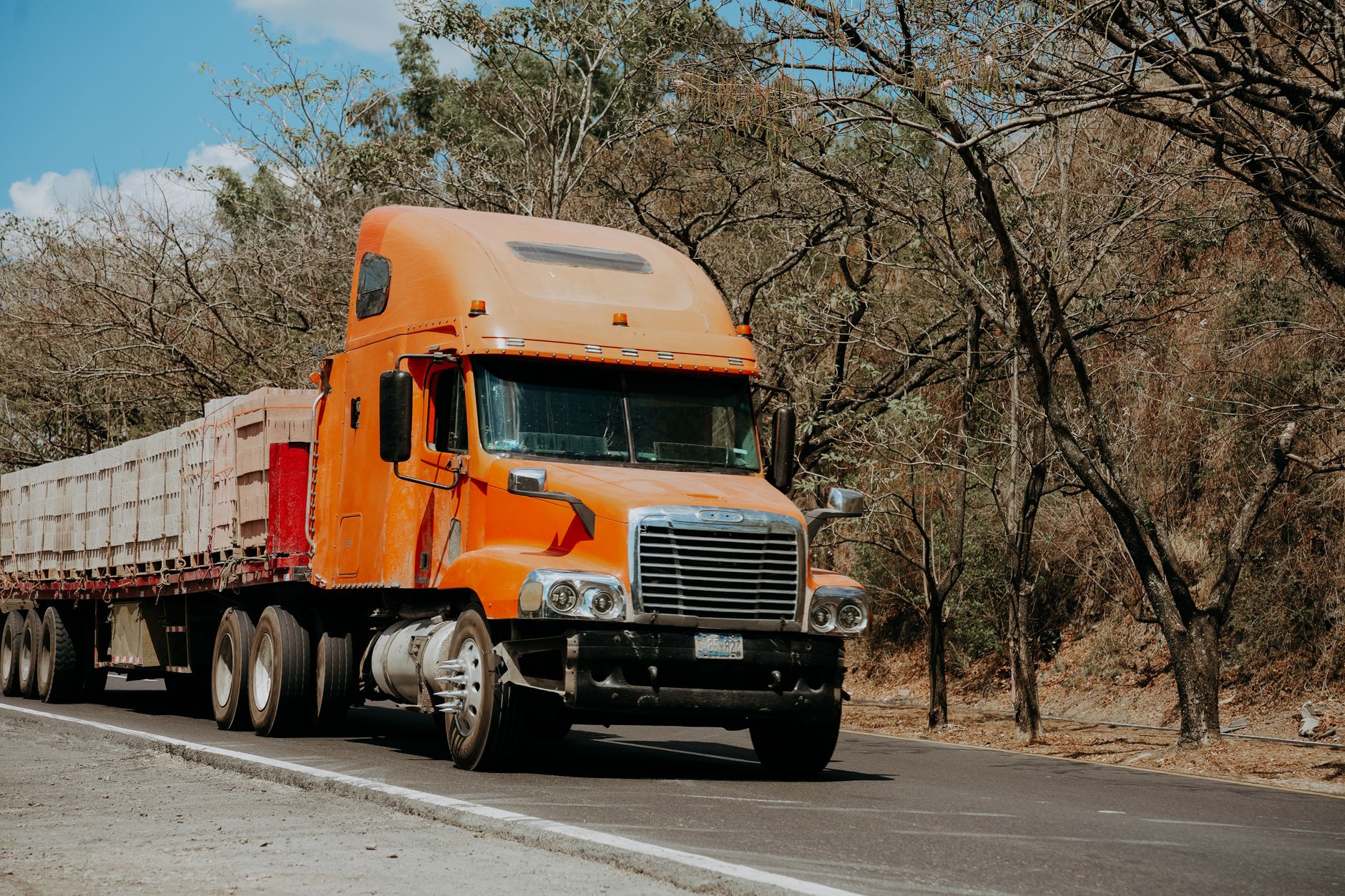
Vetting Isn't Enough Anymore: The Q2 2026 Data That Should Change How You Onboard Carriers
New Q2 2026 industry data shows that half of all freight fraud now flows through compromised inboxes, spoofed phone numbers, and account takeovers — not fake registrations. Here's what that shift demands from brokers who still treat carrier vetting as a one-time event.

Eight Indicted, Six Loads Stolen: How a $4.49M Carrier Impersonation Ring Beat Depot-Level Verification
A Manhattan DA indictment unsealed in June 2026 details how a crew allegedly stole $4.49 million in freight by presenting stolen MC and DOT numbers at loading docks across three states. Here is what every freight broker and shipper needs to check before the next pickup.

Eleven Names, Seven Fake Carriers, Zero Checks: The Zigmantas Case and What It Exposes About FMCSA Registration
Aivaras Zigmantas stole $10.1 million from roughly 90 interstate shipments by registering fictitious carriers with the FMCSA using UPS Store addresses and borrowing the identities of real motor carriers. His five-year federal sentence is a road map of every vetting gap brokers and shippers can actually close.
They're Calling From Inside the Carrier: How Fraudsters Hijacked Verified Phone Numbers — and What to Do About It
Verisk CargoNet's July 2026 advisory documents a new fraud tactic: criminals compromising carriers' VoIP phone systems to make calls that appear to come from verified numbers. Here's what brokers need to check now.

The Carrier That Wasn't: Inside the $10M Impersonation Ring That Just Got Eight People Arrested
A federal indictment unsealed June 30 charged eight people in an organized, international scheme that used carrier impersonation to steal at least $10 million in freight since March 2023. Here's what the playbook looks like — and the specific checks that stop it.

When a Carrier Sells Its Identity: The Hilder Herd Case and the Vetting Checks That Can't See It Coming
A carrier sold its MC number and digital credentials to a fraud ring that used them to steal $3.5 million in computer equipment — and every standard vetting check cleared. Here is what brokers need to look at instead.

CORCA Is Coming. Deceptive Pickups Are Already Here. Here's What Brokers Must Do Now.
Deceptive pickup schemes jumped 31% in Q1 2026, and the Combating Organized Retail Crime Act just cleared the House with a 348–60 vote. Congress is building the enforcement infrastructure — here's what that means for your carrier vetting process today.

The Ghost Behind the Wheel: What the GHOSTRUCK Act Reveals About Foreign Dispatcher Risk
A new bill on Capitol Hill exposes a regulatory blind spot that every freight broker should already be checking: foreign-based dispatchers can legally edit a driver's ELD records—and there is currently no federal prohibition stopping them. Here is what that means for your vetting process right now.