
The Trucks That Never Hauled a Load: What the AKL Transport Indictment Reveals About Carrier Identity Verification
What Happened
On September 25, 2026, a federal grand jury in Tampa returned an indictment against Kristopher Lunsford, 46, of Henderson, Nevada. Lunsford faces six counts of wire fraud and two counts of money laundering. The case centers on two entities — AKL Transport LLC and Southern Truck Leasing LLC — that prosecutors allege were the engine of a massive Ponzi scheme.
According to the indictment, Lunsford and others solicited hundreds of victim-investors to purchase leases for semi-trucks. Lunsford falsely represented that he would handle all aspects of the business — purchasing trucks, hiring drivers, and securing insurance — while investors performed no work and earned passive income. Investors were told they could put in between $25,000 and $40,000 per truck and receive guaranteed weekly payouts of approximately $1,000 to $1,250.
Rather than paying returns from freight operations, Lunsford used approximately $75 million of new investors' funds to pay earlier investors, and used over $25 million for personal enrichment — including real estate, sports cars, jewelry, luxury brand items, private charters, and expenditures at resorts, casinos, and nightclubs. Only about $2 million went toward actual business operations and equipment.
The SEC filed a separate civil action against Lunsford, AKL Transport, and Southern Truck Leasing, with regulators claiming those defendants raised at least $127 million between May 2023 and May 2025. The SEC claims the businesses represented that they owned and operated approximately 2,000 trucks, with a promised annual return calculated at about 260% — and that the claimed fleet size "was materially overstated."
U.S. Attorney Gregory Kehoe stated the alleged scheme affected more than 500 victims across the country. If convicted, Lunsford faces a maximum penalty of 20 years in federal prison on each wire fraud count and up to 10 years on each money laundering count, and the United States is seeking forfeiture of $105,940,214.93.
What This Means for Vetting Carriers
This case is not primarily an investment-fraud story. It is a carrier identity story — and that is why it belongs in every broker's and shipper's training file.
The scheme worked because the businesses presented a plausible operational surface. There were named entities, a leasing pitch backed by seemingly real contracts, and early payouts that created a track record. Investors believed freight revenue was flowing. Nothing in that pitch required a forged FMCSA document or a hacked portal. The fraud lived in the gap between what the companies claimed to operate and what any counterparty could verify they actually operated.
For freight brokers, that gap is the entire threat. A carrier that presents a valid DOT number, an active MC authority, and a certificate of insurance has cleared the minimum bar — and that minimum bar is what the AKL Transport scheme was engineered to satisfy. The real question is whether the operational reality behind those credentials matches the paperwork.
Several structural signals routinely surface in schemes of this type:
Fleet size versus authority age. A company claiming 2,000 trucks and a multi-year operational history should show proportional inspection events, safety measurement scores, and a compliance profile consistent with that scale. An authority that is thin on FMCSA enforcement data relative to its claimed size is a direct contradiction — one that SAFER and SMS data will surface if you know what to look for.
Multiple entities, one operator. The SEC's civil enforcement action named both AKL Transport LLC and Southern Truck Leasing LLC alongside Lunsford. When a single principal controls two or more registered freight entities, the corporate registry records should show that relationship. Brokers who do not cross-check shared officer names, registered agents, and state-of-formation data across entities miss the signal that an operator is running parallel shells.
Guaranteed return language as a carrier red flag. The businesses promised $1,250 weekly per vehicle across a five-year investment term — a return regulators calculated at roughly 260% annually. No legitimate trucking operation offers investors a guaranteed fixed return decoupled from market conditions. That language, wherever it appears in a carrier's marketing materials or third-party pitch decks, indicates the business model is not built on freight revenue.
Insurance continuity versus claimed operations. A carrier representing that it owns and insures thousands of active trucks will carry a corresponding commercial auto and cargo insurance program. Policy limits, named insureds, and coverage effective dates that do not match the claimed fleet scale are checkable discrepancies — and they show up in FMCSA's licensing and insurance records.
Red Flags to Check Before Tendering a Load
- SAFER Company Snapshot: Compare the carrier's listed number of power units and drivers against its claimed operational scale. A mismatch between claimed fleet size and FMCSA-recorded units is a hard stop. See Company Snapshot (SAFER).
- Authority age versus inspection history: An entity claiming years of active operations should have inspection events logged in FMCSA's systems. Zero or near-zero inspections for a claimed large fleet is a factual contradiction.
- State of formation and officer records: Pull the SOS filing for each named entity. Confirm the registered agent, formation date, and principal officers. Cross-reference officer names against other DOT-registered entities — shared principals across multiple carriers with thin histories is a known shell-company indicator.
- Multiple-entity cross-check: When a carrier or its representatives reference sister companies or affiliated leasing entities, run each entity name independently through FMCSA and state corporate registries. Shared addresses, phone numbers, or principals across entities with separate DOT numbers warrant escalation.
- Insurance named-insured verification: Call the insurer directly using the number on file with FMCSA — not the number provided by the carrier. Confirm the named insured, policy limits, and whether the coverage matches the carrier's claimed fleet count.
- Guaranteed-return or passive-income language: If any freight company's marketing materials promise fixed returns to investors independent of freight market conditions, the business model is not a carrier. Do not tender freight to an entity whose revenue model is investor capital rather than freight revenue.
- Forfeiture and court record searches: A federal forfeiture demand of $105,940,214.93 does not appear without prior civil and regulatory history. PACER searches on principal names and entity names surface prior enforcement actions that FMCSA records alone will not show.
The Takeaway
The AKL Transport case will generate headlines about investment fraud, and it should. But the structural failure it exposes is a vetting failure: hundreds of counterparties handed money — and potentially freight — to entities whose operational claims could not survive a disciplined verification workflow.
The fleet was fiction. The verification gap is real. And the tools to close it exist right now, if brokers and shippers choose to use them.
Frequently asked questions
How do I verify that a carrier actually operates the number of trucks it claims?
Pull the carrier's FMCSA Company Snapshot on SAFER and compare the listed power unit count against what the carrier claims. Also review the carrier's SMS inspection history — a company claiming hundreds of active trucks with minimal roadside inspection events is a factual inconsistency that warrants immediate escalation before tendering any freight.
What is a trucking Ponzi scheme and how does it affect freight brokers?
A trucking Ponzi scheme uses new investor capital to pay earlier investors instead of generating revenue through actual freight operations. For brokers, the risk is tendering loads to a carrier whose business model depends on investor inflows rather than freight revenue — meaning the operational infrastructure may not exist and the carrier's authority and insurance can vanish without warning.
How do I check if a carrier has multiple shell companies or related entities?
Search each entity name independently in FMCSA's SAFER database and in the relevant state's Secretary of State corporate registry. Look for shared registered agents, principal officers, addresses, or phone numbers across entities. A single individual controlling multiple DOT-registered entities with thin operational histories is a documented shell-company risk pattern.
Can a carrier pass FMCSA authority and insurance checks and still be fraudulent?
Yes. Active operating authority and a current insurance certificate confirm that an entity cleared the minimum federal registration threshold — not that it operates a real fleet. The AKL Transport case illustrates this directly: the entities had registered corporate identities while the claimed fleet was materially overstated, according to SEC regulators. Vetting must go beyond FMCSA minimum checks.
What should I do if a carrier's marketing promises guaranteed returns to investors?
Do not tender freight to that carrier. No legitimate trucking operation offers investors a fixed, guaranteed return decoupled from freight market conditions. Guaranteed-return language signals that the carrier's revenue model is investor capital, not freight revenue — a business structure the SEC and DOJ treat as securities fraud when the fleet or operations do not exist as represented.
Spotted fraud, or vetting a carrier?
Sign up free to report freight fraud — once filed, the whole industry sees it — and to check any carrier's reports, identity, and authority in seconds.
Related posts

The Pickup Looked Perfect. The Documents Were Fake. What the $680K New Castle Theft Tells Every Shipper About Release-Point Risk.
Two men showed up at a Delaware electronics warehouse with fraudulent CDLs, forged shipping documents, and a false license plate — and drove away with $680,000 in cargo. Here's what the layered document fraud in this case reveals about where your real verification gap lives.
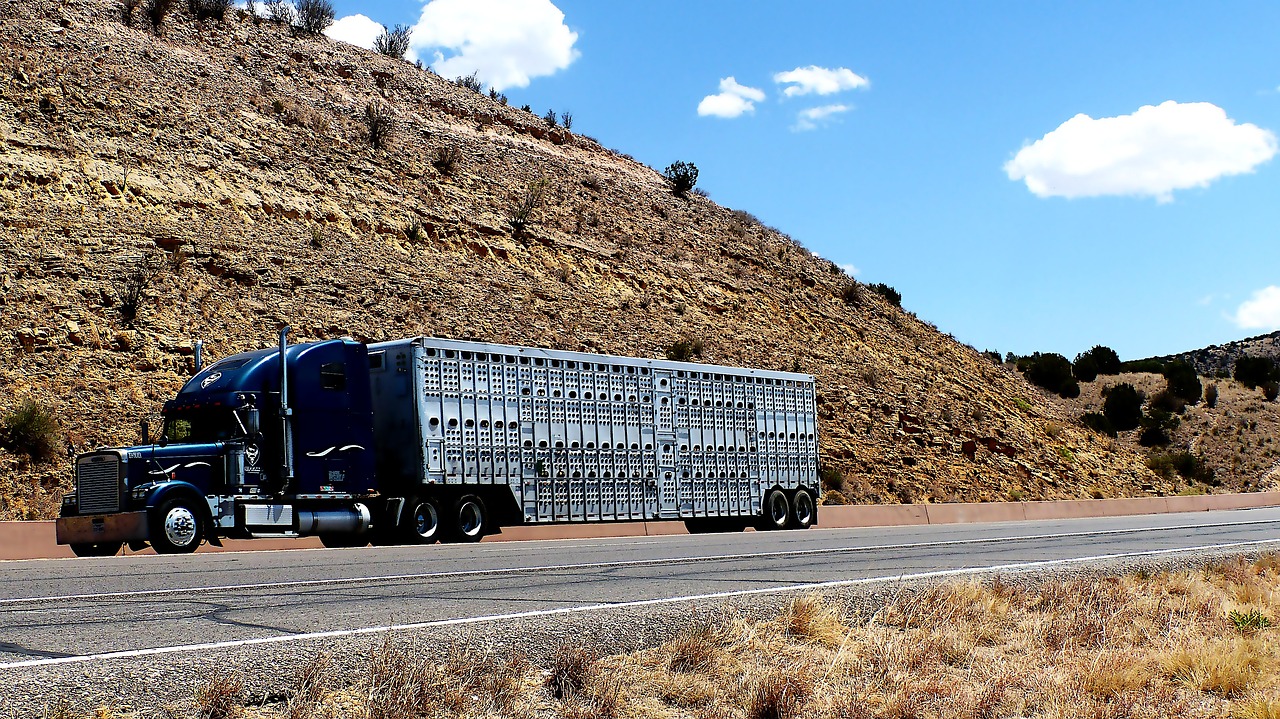
The Fleet Was Fiction: What a $127 Million Trucking Ponzi Tells Brokers About Carrier Financial Fraud
The SEC filed charges on September 24, 2026, accusing a trucking company owner of raising $127 million from hundreds of investors using fabricated claims about fleet size and revenue. The pattern looks different from cargo theft — but the vetting gap that enables it is exactly the same.